Home/Forensics Blog/The Infobesity Problem: Analysis Infrastructure for High-Volume Mobile Extractions
The Infobesity Problem: Analysis Infrastructure for High-Volume Mobile Extractions
Mobile forensics has a new bottleneck, and it isn’t extraction access anymore. A single modern mobile device extraction can now yield 500 gigabytes of data or more, and reviewing that volume manually, the way a single examiner once might have, is no longer realistic. Industry practitioners have started calling this problem “infobesity”: not too little data, but too much to process without infrastructure built specifically for the volume.
Modern smartphones store dramatically more than they did even a few years ago: full-resolution photo and video libraries, years of messaging history across multiple apps, detailed location history, health and biometric data, and extensive cached application data. A physical extraction, the gold-standard method that captures deleted files and unallocated space alongside active data, multiplies that volume further by capturing everything the device’s storage holds, not just what’s currently visible to the user.
Complex cases now routinely involve dozens of devices rather than one, each contributing its own several-hundred-gigabyte extraction to a single investigation. A case with meaningful digital evidence can easily generate multiple terabytes of raw data before any actual analysis has begun.
Why a Single-Examiner Model No Longer Scales
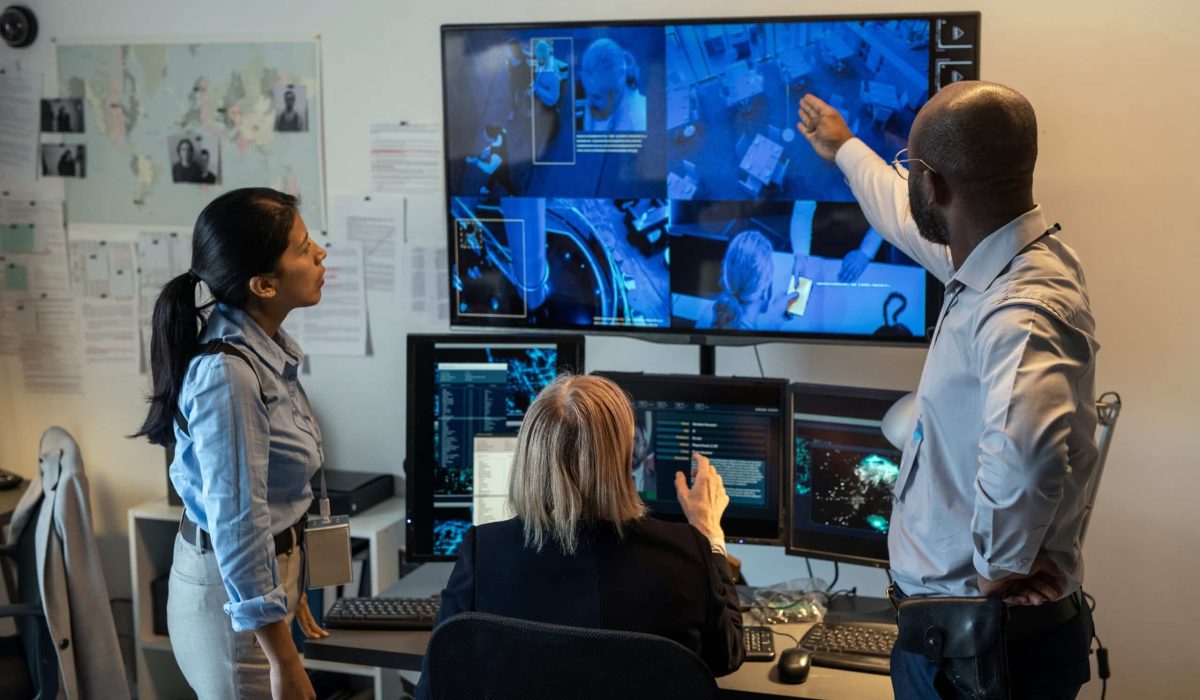
The traditional model, one examiner reviewing everything from a single device in isolation, was built for a data volume that no longer reflects reality. Complex investigations increasingly require teams of analysts working simultaneously, often across different locations and specializations, correlating findings from multiple devices at once. Without infrastructure built to support that kind of concurrent, collaborative analysis, critical connections between devices or data points get missed, and investigations stall under their own data volume.
What Analysis Infrastructure Needs to Support
Sufficient storage throughput to hold and actively query multiple large extractions simultaneously, without one analyst’s active case slowing down another’s
Processing power adequate to run automated analysis tools, keyword indexing, timeline reconstruction, and increasingly AI-assisted triage, across large datasets in a practical timeframe rather than an overnight batch job that delays next-day casework
A storage architecture that separates active analysis data from the long-term evidence archive, since the throughput needs of each are genuinely different
Network and access infrastructure that supports multiple analysts working the same case concurrently without file-locking conflicts or duplicated effort
The Timeline Reconstruction Challenge
Beyond raw volume, modern mobile analysis increasingly requires correlating data across multiple sources within a single extraction, SQLite write-ahead log files, system logs, cached property lists, and app-specific databases, to reconstruct an accurate timeline of device activity. This kind of cross-source correlation is computationally demanding at scale, and hardware that struggles to keep pace turns a routine timeline reconstruction into a multi-day bottleneck on an active case.
How Ace Computers Supports High-Volume Mobile Forensics
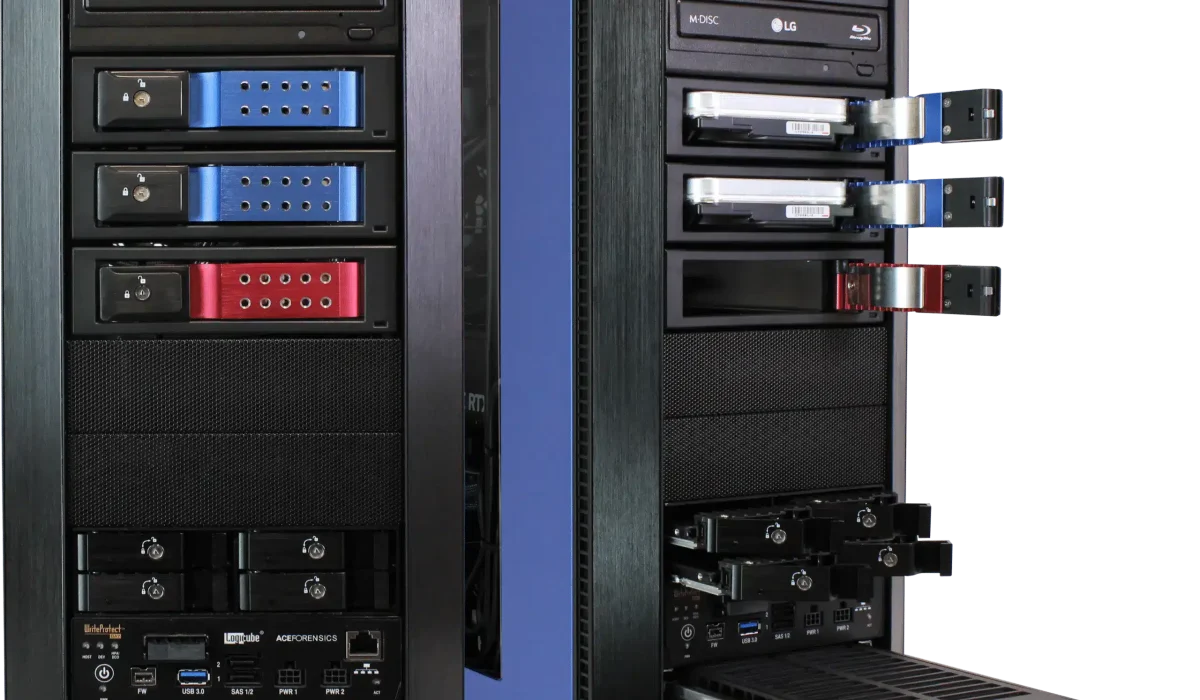
Ace Computers builds forensic analysis workstations and lab infrastructure specified for the data volumes modern mobile extractions actually produce, not the volumes forensic hardware was originally designed around years ago. Our team works with labs to right-size storage throughput and processing capacity to their real caseload, so extraction volume becomes a manageable input rather than the bottleneck that stalls an investigation.
How much data can a single mobile device extraction produce?
A single extraction, particularly a full physical extraction capturing deleted files and unallocated space, can now yield 500 gigabytes of data or more, depending on the device’s storage capacity and how much of it is populated.
Why can't one examiner review a modern mobile extraction alone?
Modern data volumes make single-examiner manual review impractical for complex cases. Investigations increasingly require teams of analysts working concurrently, correlating data across multiple devices and sources, which requires infrastructure built to support collaborative, simultaneous analysis rather than a single workstation processing one case at a time.
Can Ace Computers help scale analysis infrastructure to current extraction volumes?
Yes. Ace Computers works with forensic labs to specify storage throughput and processing capacity matched to real caseload and extraction volume, helping ensure data volume doesn’t become the bottleneck that stalls active investigations.