Home/Blog/A Computer Hardware Shortage: SSD & RAM Prices Up By 60%
2026's Computer Hardware Shortage
Last Modified: January 27, 2026
RAM & SSD Prices Increase up to 60% from 20% over November 2025
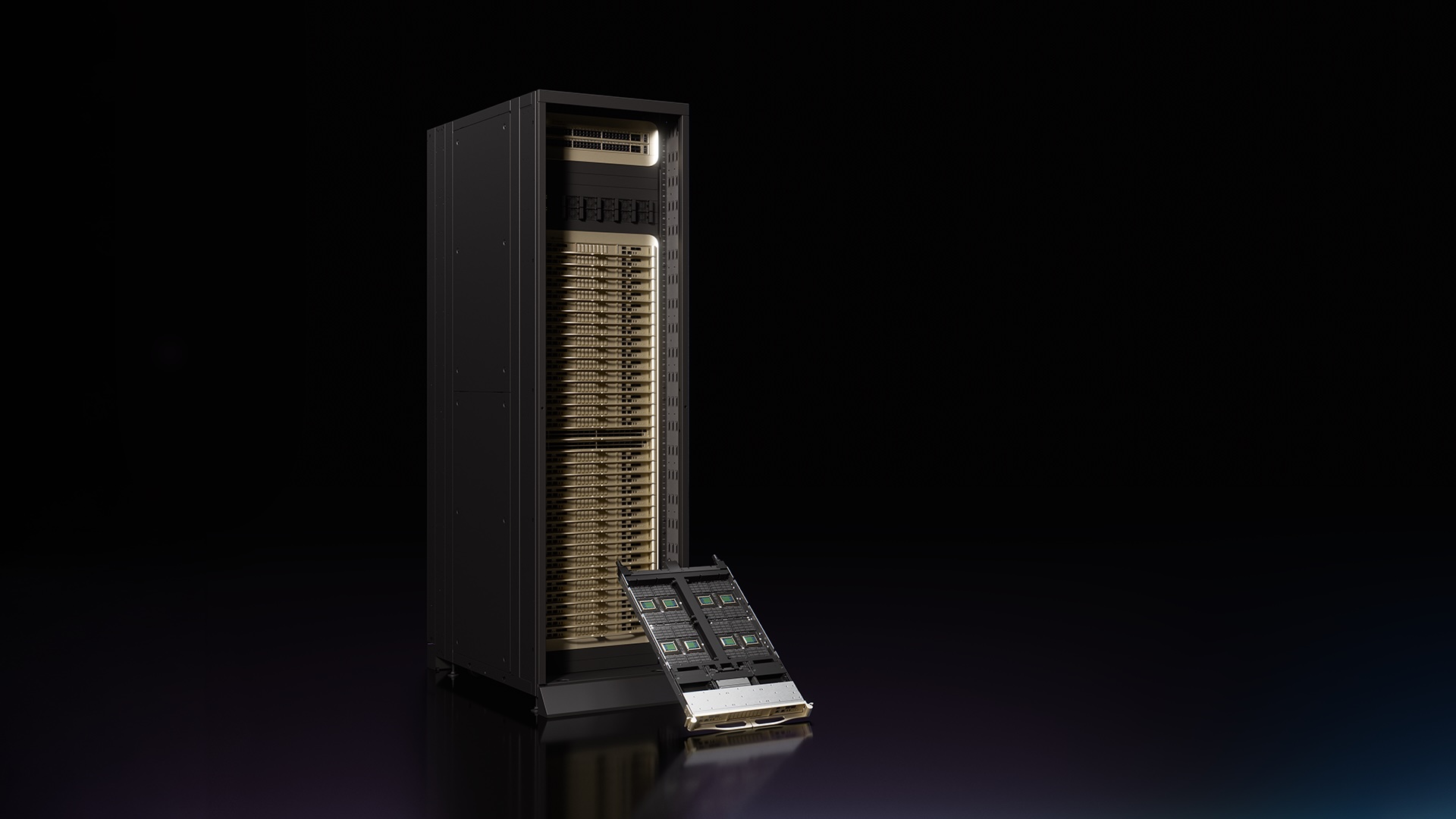
As AI continues to advance, computer hardware component manufacturers are focusing solely on AI capabilities, leading to a shortage of essential computer components for other applications. This shift has reduced the available pool of mainstream wafers and has led to monthly contract prices increasing by 20% to 60% across all major categories.
With this major shortage, builders are left with one question: What should we do?
Why is Computer Hardware so Expensive?
To understand why computer hardware prices are rising, it is critical to understand the market first. The monthly average prices for wafers rose from 20% to 60% in 2025. Wafers are thin slices of semiconductor material (usually silicon) that serve as the base for manufacturing integrated circuits, making them essential for creating the chips that power all modern computing devices. Triple-level cell (TLC) memory, a NAND flash that stores three bits of data per memory cell, was the most impacted by the high demand.
AI projects are set to make millions more than current projects for SSD capabilities, shifting the focus for corporations. However, SSDs are not the only components seeing a major spike in price. Global memory suppliers are warning of a severe DRAM and SSD shortage that could persist through late 2026 and potentially into early 2027
To understand the shortage in NAND flash wafers, it is first vital to underline how NAND flash wafers operate. NAND flash wafers enable AI by providing high-capacity, fast, and energy-efficient storage that supports complex datasets and models AI requires. NAND is non-volatile, meaning that it retains data without power, ideal for storing AI training data sets. NAND technology stacks memory cells vertically, allowing for hundreds of layers. NAND innovations reduce power consumption during data transfers, helping data centers manage energy costs while scaling AI.
Role
Impact on AI
Storage density
Enables massive datasets and large models to fit on chips
How Can I Prepare For Fluctuating Computer Hardware Prices?
With a massive spike in the amount of components in the market, many systems that were considered “Entry-level” will no longer exist, or will not be marked down in prices, even with specs being lower than average market specs. This prediction will leave users in a debate:
Do I upgrade at a steep price or run the risk of compromising performance later?
The smartest plan is to assume that memory and storage prices are not going to come down anytime soon, and to pay close attention to subtle spec cuts in “new” models that are quietly shaving RAM and SSD sizes to keep their sticker prices ideal in the public eye. The best thing you can do is to ensure that you are aware of the changing landscape in computer hardware prices. Check out blog main page for more component featured blogs.
Notable Companies 2026 Computer Hardware Plans
Company
2026 Strategy
Key Focus
Samsung
Cutting NAD supply & pushing higher prices
QLC transition, AI-driven demand
Micron
Reducing NAND flash supply
Supply reduction, profit focus, industry coordination
Seagate Technology
Expanding NAND-based SSD offering despite the shortage, focus on enterprise and AI storage solutions
As the price of essential computer hardware continues to rise, it is best to become as educated as possible for the future. GPU, SSDs, and RAM are all on the rise for AI capabilities, and as AI capabilities continue to grow, we can likely assume that this trend of an increase in price will continue. If you have any questions about our hardware, please check out our products page or our contact us portal.