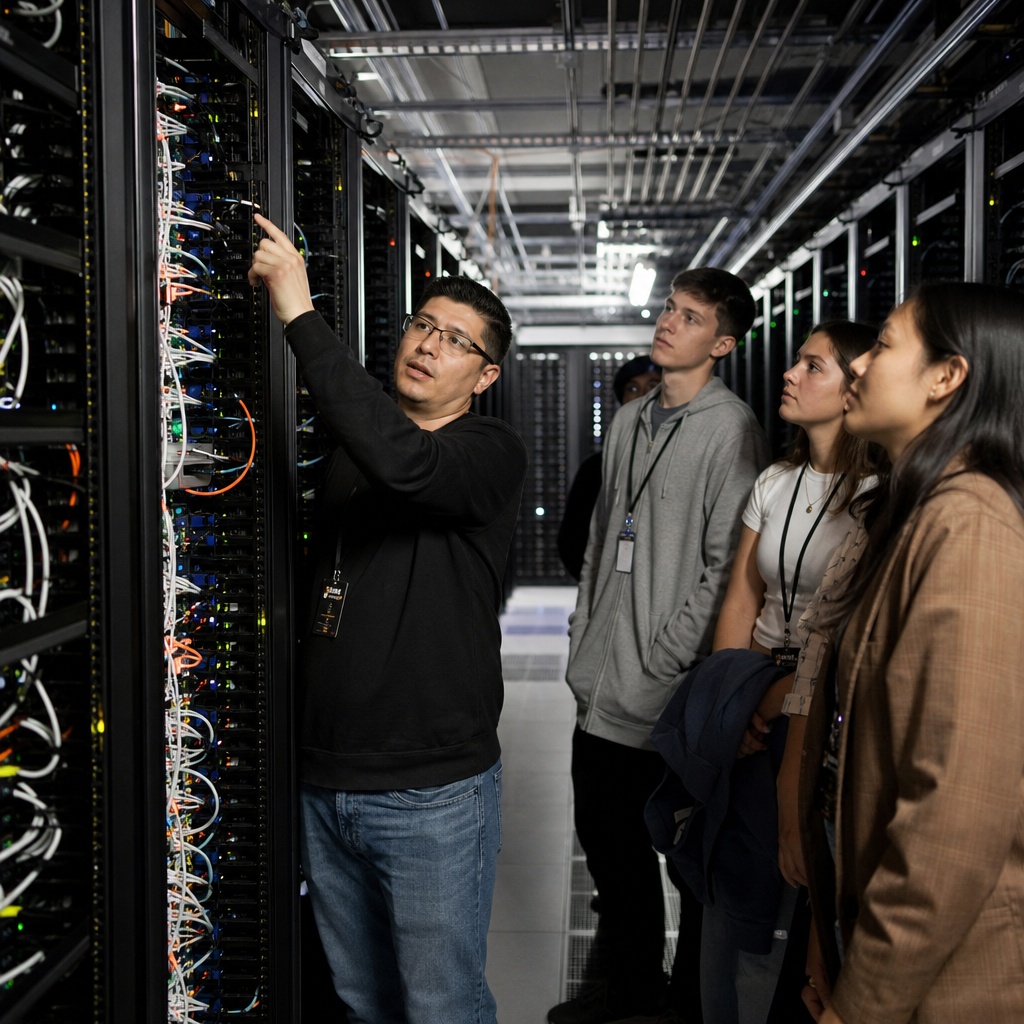


University research computing teams face a genuinely different set of pressures than federal or enterprise IT buyers. Most operate some of the most demanding infrastructure in computing on some of the leanest teams relative to system scale, serving dozens of research groups with fundamentally different workload needs, funded through a patchwork of departmental budgets and federal grants that don’t always align on the same timeline. Understanding how leading research computing programs are structuring governance and vendor relationships offers a useful model for programs planning their next cluster investment.
→ View Ace Computers Higher Education and Research Computing Solutions
Unlike a single-department system, a shared or campus-wide HPC cluster has to serve multiple research groups with genuinely different computing needs, GPU-heavy machine learning research alongside traditional CPU-based simulation work, small individual research allocations alongside large, grant-funded compute-intensive projects, all drawing from the same shared infrastructure.
Leading research computing programs increasingly address this through faculty-led governance committees that oversee shared cluster operation and resource allocation decisions, rather than leaving those decisions entirely to central IT. This governance model gives the research community itself a voice in how shared resources get prioritized, which tends to produce more sustainable buy-in across departments than a purely IT-administered system.
A growing number of universities have moved toward what’s often called a condo or buy-in cluster model: rather than each department purchasing and maintaining entirely separate HPC infrastructure, individual research groups or departments purchase a share of a larger shared cluster, whether that’s a full node, a fraction of a node, or an annual allocation fee, and receive priority access to that share of the combined resource.
This model offers real advantages over fully siloed departmental clusters. It consolidates facility, power, cooling, and administrative overhead into one shared system rather than duplicating that overhead across every participating department. It allows individual research groups to access far more compute capacity during periods of light use than their own dedicated allocation alone would provide, since unused capacity across the shared pool becomes available to other users. And it creates a natural, incremental growth path: as more departments or grants buy in, the cluster expands, rather than requiring one large, up-front capital investment that has to anticipate years of future demand at once.
Some universities have taken this further with what’s sometimes called a perpetual cluster design, one intended for indefinite expansion, adding new hardware and capabilities as needed over time, with individual hardware generations retired on a defined cycle, commonly around five years, while the cluster itself continues operating and growing indefinitely.
Many university HPC teams currently manage five or more separate vendor relationships just to keep a single cluster operational: compute hardware, storage, networking, job scheduler software, and support, each potentially from a different vendor with a different support contract and a different escalation path.
This fragmentation creates real operational burden for teams that are, by design, lean relative to the scale of infrastructure they’re supporting. When something goes wrong, determining which vendor is actually responsible for a given issue, and coordinating a resolution across multiple support contracts, consumes staff time that a lean research computing team often can’t spare. Industry momentum is increasingly moving toward consolidated infrastructure models that reduce the number of vendor relationships a university research computing team needs to manage day to day, a single site license or support agreement covering more of the full stack rather than requiring separate contracts for each layer.
A meaningful share of university HPC capacity supports federally funded research, and that funding relationship shapes infrastructure decisions in ways that don’t apply to a purely internally funded system. Compliance requirements tied to federal grant eligibility, data security standards for sensitive research data, and documentation requirements for demonstrating appropriate use of grant funds all need to factor into how a shared cluster is specified and governed, not treated as a separate compliance exercise layered on afterward.
Programs receiving National Science Foundation or National Institutes of Health funding in particular should confirm early in the procurement process how their specific grant terms affect infrastructure decisions, timeline, and documentation requirements, since grant compliance failures discovered after a cluster is already operational are far more disruptive to address than the same requirements planned for from the start.

Research computing capacity needs vary enormously across institutions, from modest departmental clusters supporting a handful of research groups to leadership-class systems supporting the full breadth of an R1 research university’s computational needs. The National Science Foundation’s push toward a Leadership-Class Computing Facility for universities reflects a broader trend: the gap between the largest academic supercomputers and national laboratory systems has been narrowing, as a small number of leading research universities pursue genuinely massive shared infrastructure investments.
Most institutions don’t need, and shouldn’t attempt, infrastructure at that scale. The right sizing question isn’t “how large a system can we justify,” it’s “what capacity genuinely matches our current and near-term research demand, with a realistic growth path built in.” A condo or buy-in model, described above, gives most institutions a more sustainable path to right-sized capacity than a single large upfront investment sized for aspirational future demand.
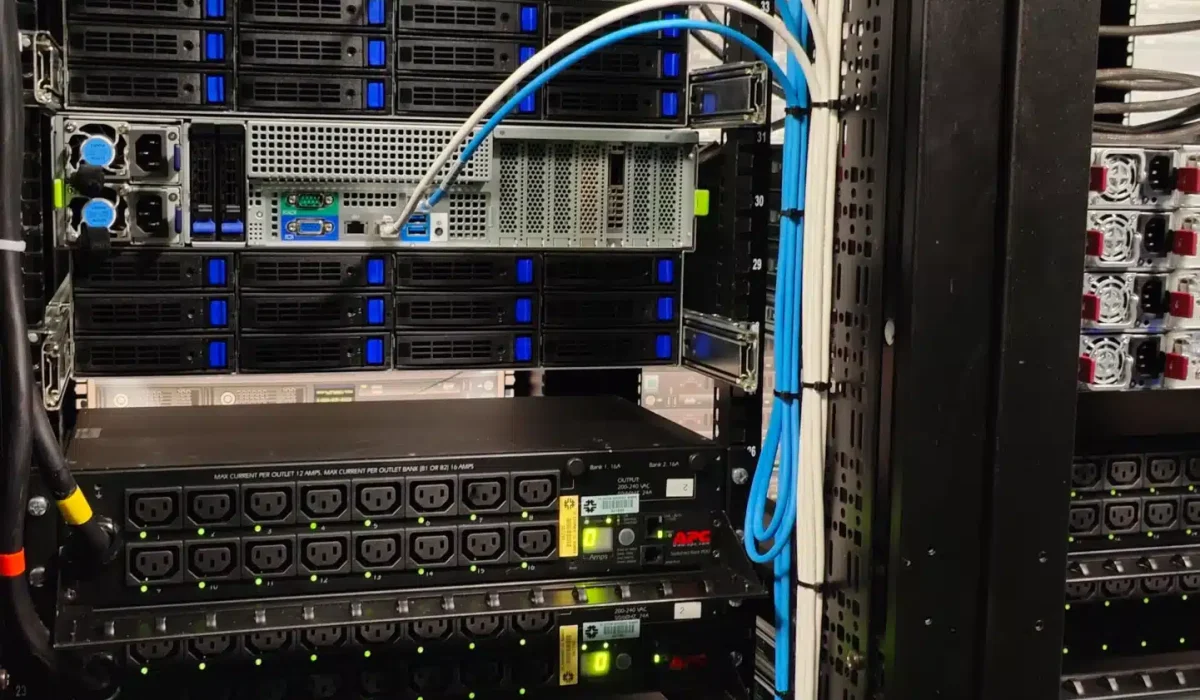
Ace Computers works with university research computing teams to design HPC infrastructure that fits their actual governance model, whether a single-department cluster or a shared, multi-department condo system, and helps teams navigate the practical realities of grant-funded procurement timelines and lean staff capacity. Our engineering team can help scope infrastructure sized to genuine current demand with a realistic path to grow as more departments and grants buy in.
→ Contact Ace Computers Higher Education and Research Computing Team
A condo cluster is a shared HPC system where individual research groups or departments purchase a share of the larger cluster, a node, a fraction of a node, or an annual allocation, rather than each maintaining fully separate infrastructure. It distributes cost and access across participants while consolidating shared overhead like facility, power, and administration.
Federal grant compliance requirements, data security standards, and fund-use documentation requirements need to be factored into infrastructure planning early, since a system built without those requirements in mind can create compliance gaps that are far more disruptive to address after deployment than during planning.
Many research computing teams manage separate vendor relationships across compute, storage, networking, and scheduler software, creating real operational burden for teams that are typically lean relative to their infrastructure’s scale. Consolidating support under fewer vendor relationships reduces coordination overhead when issues arise.