
Chain of custody is the documented record of every person who has had access to a piece of evidence from the moment it was collected through its presentation in court. In physical evidence, chain of custody is managed through property logs, evidence bags, and secure storage. In digital forensics, chain of custody requires an additional layer of technical discipline: the hardware and processes used to acquire and examine digital evidence must be able to demonstrate that the evidence was never modified from its original state.
That demonstration is not just procedural. It is technical. And the hardware used to acquire, process, and store digital evidence plays a direct role in whether the chain of custody holds up under legal scrutiny.
This article covers what chain of custody means in a digital forensics context, where hardware fits in the process, and what law enforcement agencies should require from the computing equipment they use to handle digital evidence.

Chain of custody in digital forensics has the same fundamental purpose as in physical evidence: to establish that the evidence presented in court is the same evidence that was collected at the scene, and that it has not been altered, tampered with, or contaminated at any point in the process.
The challenge in digital forensics is that digital evidence is inherently fragile. Connecting a storage device to a standard computer, opening a file, or even powering on a device can modify metadata, overwrite deleted data, or alter timestamps in ways that change the evidentiary record. Unlike a physical object, which requires deliberate action to alter, digital evidence can be modified unintentionally through the normal operation of computing hardware that was not designed for forensic use.
This is why the hardware used in digital forensic investigations is not interchangeable with standard computing equipment. Every step of the digital forensic process, from the first connection to the suspect device through the final documentation submitted to the court, requires hardware and procedures specifically designed to maintain the integrity of the evidentiary record.
Digital chain of custody depends on hardware at three critical points in the forensic process: acquisition, where the evidence is copied from the original source; analysis, where the examiner works with the evidence data; and storage, where the evidence and its documentation are preserved for the duration of the case.
The write blocker is the most fundamental piece of hardware in digital evidence acquisition. A write blocker is a device that sits between the suspect storage media and the forensic workstation, allowing data to flow from the media to the workstation for acquisition while physically or logically preventing any write commands from reaching the original media.
Without a write blocker, connecting a suspect storage device to a forensic workstation risks modifying the device, potentially updating file access timestamps, writing to slack space, or triggering operating system behaviors that alter the evidentiary record. With a write blocker in place, the original media remains in its pre-connection state throughout the acquisition process, and the examiner can demonstrate that the acquired forensic image is a bit-perfect copy of the original.
Hardware write blockers, which enforce write protection at the physical level rather than through software controls, are the standard for law enforcement forensic work because they cannot be bypassed by operating system actions, software errors, or forensic tool failures. Software write blockers exist and have legitimate uses, but they do not provide the same level of evidentiary protection as purpose-built hardware write blocking devices.
Forensic imaging is the process of creating a bit-for-bit copy of the original storage media, including all allocated and unallocated space, deleted files, file system structures, and any data that exists on the device regardless of whether it is currently accessible through the operating system.
The forensic image is what investigators work with throughout the examination. The original media is preserved as collected evidence, and all analysis is performed on the image. This approach protects the original evidence from any inadvertent modification during the examination process while giving the investigator full access to the data for analysis.
The workstation hardware used for forensic imaging affects both the speed and the integrity of the acquisition. High-throughput NVMe storage on the forensic workstation allows imaging to proceed at the speed of the acquisition hardware rather than being bottlenecked by the destination storage. ECC memory ensures that the data being transferred and hashed during acquisition is not affected by memory errors that could produce a forensic image that does not perfectly match the original.
Hash verification is the technical mechanism that proves a forensic image is identical to the original media. A cryptographic hash algorithm, typically MD5 or SHA-256, generates a unique fixed-length value from the input data. The hash of the original media is computed before imaging and stored as part of the case documentation. After imaging, the hash of the forensic image is computed and compared to the original. If the hashes match, the image is a verified bit-perfect copy of the original.
Hash verification is performed before and after every significant step in the forensic process: before and after acquisition, before and after any analysis that involves working with evidence data, and before submitting evidence for court presentation. The hash values and the procedures used to compute them become part of the chain of custody documentation that supports the admissibility of the evidence.
The forensic workstation hardware supports hash verification by providing the processing capacity to compute hashes quickly even on large evidence datasets, and by using ECC memory to ensure that the data being hashed is not affected by memory errors that could produce different hash values than the original data would generate

Chain of custody in a forensic lab is not just about individual evidence items. It is about the lab environment as a whole. Cross-contamination, where data from one case appears on evidence media from another, is a chain of custody failure that can compromise both cases.
Standard anti-contamination procedures for forensic workstations include wiping and re-imaging the workstation between cases, using dedicated examination environments for each active case, and maintaining physical and logical separation between evidence from different cases. Hardware practices that support these procedures include:
Chain of custody documentation for digital evidence must record every action taken with the evidence from collection through court presentation. For digital forensic investigations, this documentation has both procedural and technical components.
Procedural chain of custody documentation records who handled the evidence, when they handled it, what actions they took, and what tools they used. This documentation creates the human accountability layer of the chain of custody and supports the examiner’s testimony in court about the actions taken during the investigation.
Technical chain of custody documentation records the hardware tools used in the acquisition and examination process, the hash values computed at each verification point, the forensic software tools and their validated versions, and any observations or anomalies encountered during the examination.
Together, procedural and technical documentation create a complete chain of custody record that an examiner can present in court to demonstrate that the evidence was handled correctly, the hardware tools used were appropriate for forensic work, and the evidence was never modified from its original state.

Courts evaluating the admissibility of digital evidence look at whether the forensic process followed accepted industry standards and whether the tools used are reliable and validated. Hardware requirements that support court admissibility include:
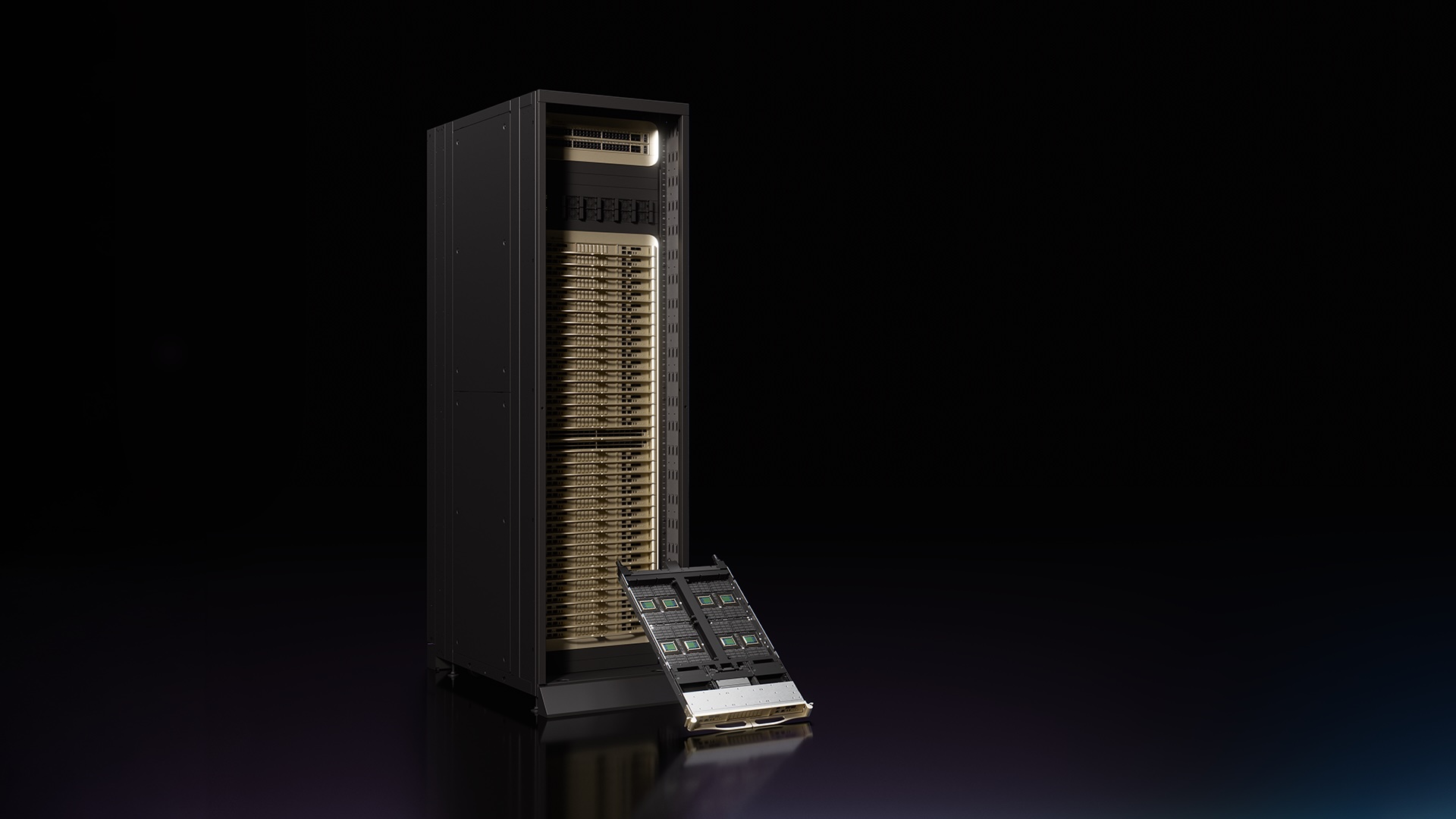
Purpose-built forensic workstations from Ace Forensics are engineered for law enforcement forensic workflows, with hardware configurations that support the chain of custody requirements of professional forensic practice and the evidentiary standards that courts apply to digital evidence.
→ View Ace Forensics Solutions
A write blocker is a hardware device that allows data to be read from a storage device while preventing any write commands from reaching the original media. It is required for forensic evidence acquisition because connecting a storage device to a standard computer without a write blocker risks modifying the device, which could compromise the chain of custody and the admissibility of the evidence. Hardware write blockers provide physical enforcement of write protection that cannot be bypassed by software errors or operating system actions.
MD5 and SHA-256 are the most commonly used hashing algorithms in digital forensic practice. MD5 produces a 128-bit hash value and is widely accepted by courts for forensic image verification, though SHA-256 is increasingly preferred for new cases because it is more resistant to collision attacks. Both algorithms produce a unique fixed-length value from the input data that changes if any bit in the data is altered, providing reliable verification that a forensic image is identical to the original media.
ECC memory detects and corrects single-bit memory errors in real time during processing. In a forensic context, a bit-flip error in standard non-ECC memory during evidence processing could theoretically alter the data being analyzed or produce a hash value that does not match the original evidence. ECC memory eliminates this risk by correcting memory errors before they can affect evidence data, maintaining the integrity of the evidentiary record throughout the examination process.
Yes. Ace Forensics systems are available through GSA Schedule, NASA SEWP V, ITES-4H, ADMC 3, and 2GIT. Federal law enforcement agencies and state and local agencies with federally funded programs can procure Ace Forensics workstations through these vehicles with TAA compliance documentation available upon request.