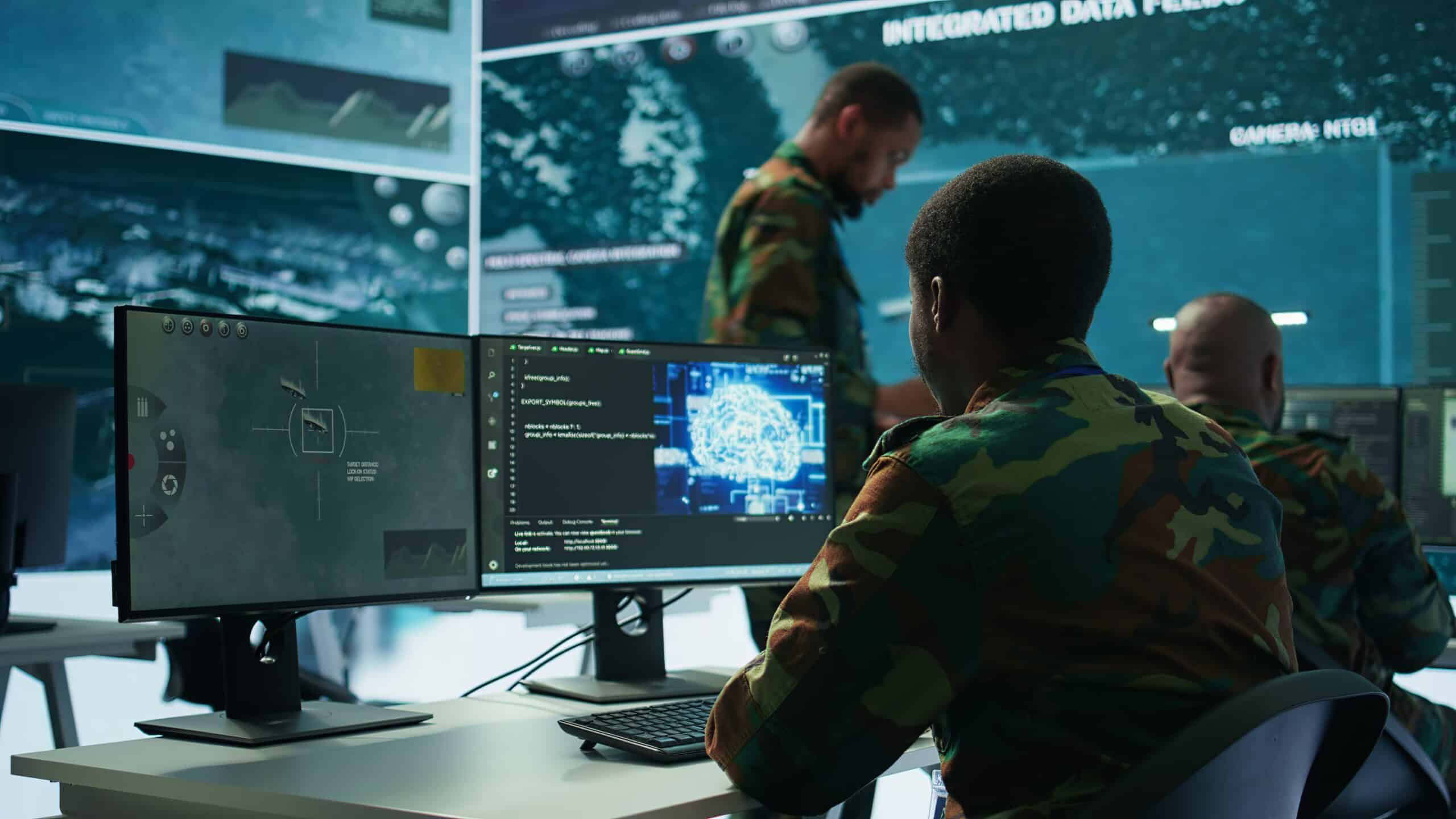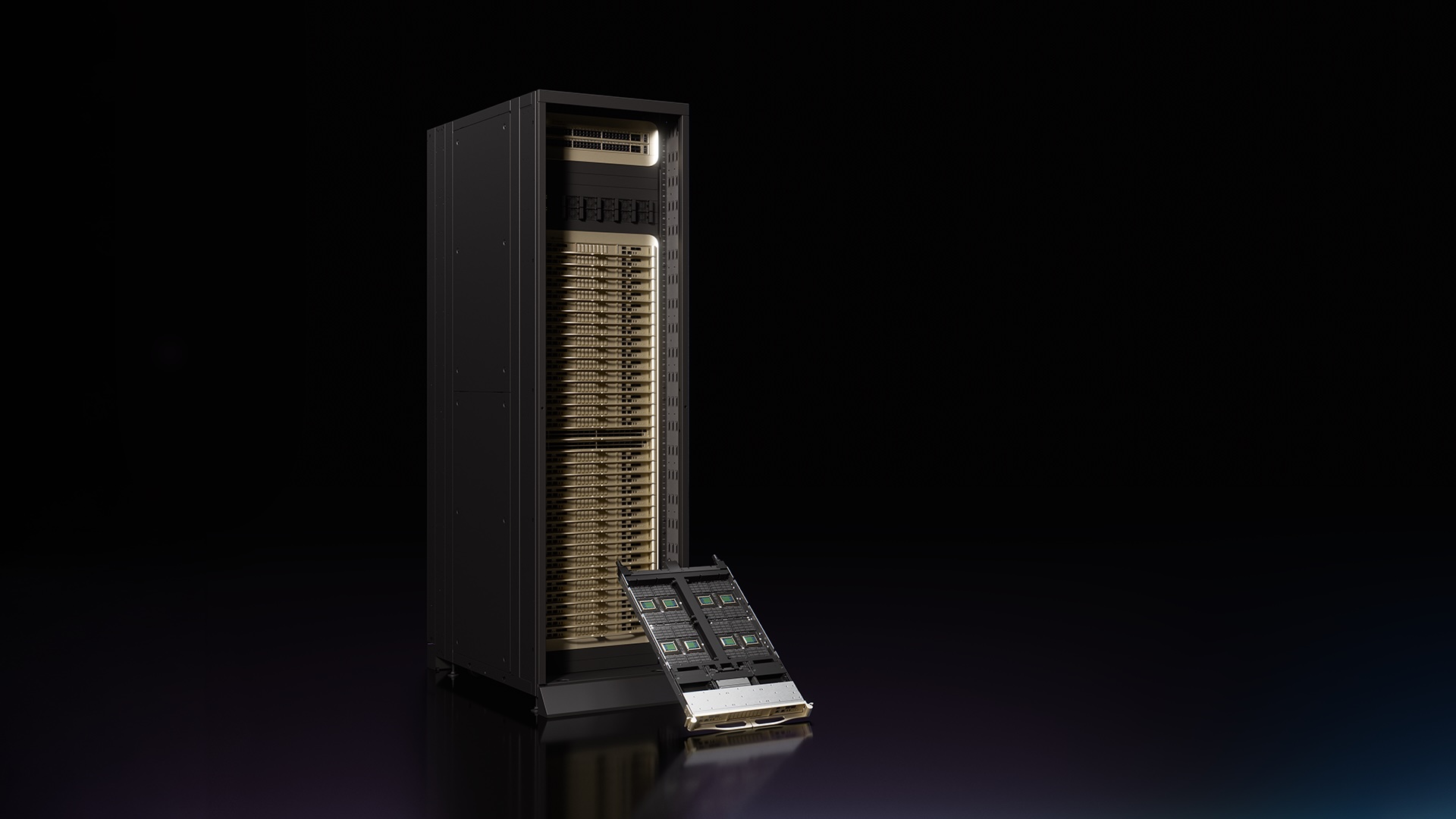


Today, AI workloads are taking over the digital world and causing a bottleneck in IT sustainability. Organizations are beginning to adopt stricter emissions reports, pursue net-zero initiatives, and modernize their computer environments, surging the demand for low-power GPUs and energy-efficient hardware. With frameworks like EPEAT Climate+, corporations are reshaping how they evaluate and procure hardware. EPEAT Climate+ is driven by low lifecycle emissions, reducing operation power, and responsible supply chain practices, directly impacting GPU selection.
Federal agencies procuring GPU-equipped workstations and servers face a specific intersection of sustainability and compliance requirements. EPEAT Climate+ procurement is not just an environmental preference for many federal organizations. It is an emerging acquisition criterion tied to agency net-zero commitments and Executive Order 14057 directives. Ace Computers’ EPEAT Climate+ certification, active since June 30, 2025, means federal buyers can satisfy both performance and sustainability requirements through a single procurement channel. Learn more about federal and government IT solutions at Ace Computers
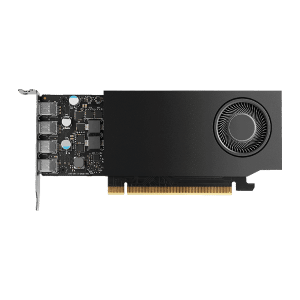
GPUs, or graphic processing units, are the biggest power-intensive component in modern HPC systems. A single high-end GPU can draw more power than an entire workstation or desktop could have emitted 7 years ago. Today, GPUs play a vital role in an entire system’s power consumption and low-power GPUs are critical to keeping a system’s power consumption at a low level to maintain a powerful energy efficiency rating.
GPU efficiency directly impacts:
Low-power GPUs offer a balanced approach to AI hardware, introducing strong performance with reduced wattage, ideal for EPEAT Climate+ procurement.
For a GPU to qualify as a low-power GPU, the graphics card must deliver meaningful compute capability while minimizing energy draw. Follow along with our interactive low-power GPU table to discover which GPU is right for you.
| Characteristic | Description | Ideal Low-Power GPU Option |
|---|---|---|
|
Lower TDP (Thermal Design Power) |
GPUs with lower wattage reduce electricity usage and cooling requirements. Low TDP lowers operational emissions and improves system efficiency. |
|
|
High-Performance-Per-Watt |
Measure useful compute per watt consumer. Key for visualization, modeling, and light AI workloads where efficiency is critical. |
|
|
Reduced Thermal Output |
Cooler GPUs extend system lifespan, reduce HVAC load, and support Climate + goals by lowering total energy consumption. |
|
|
Discrete vs Integrated |
Integrated GPUs are ideal for ultra-low power desktops. Low-power discrete GPUs offer stronger performance while staying energy-efficient. |
Integrated: Intel Arc Xe, Discrete: NVIDIA RTX A1000
|
|
Lifecycle Sustainability |
Low power GPUs generate less heat, reduce cooling overhead, and extend component longevity (Key for Climate+) |
|
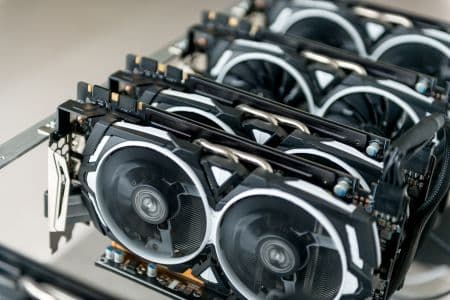
EPEAT Climate+ was designed to be a steppingstone into EPEAT 2.0. EPEAT Climate+ covers reducing the carbon footprint of IT hardware across its entire lifecycle. GPUs are often the largest single power consumer in HPC systems, making the procurement of a low-power GPU critical to improving Climate+ alignment. Low-power GPUs are key to determining if your solution is fit to support EPEAT Climate+.
Low-power GPUs support Climate+ goals by:

The Supplier Engagement Program (SEP) is a foundational principle of the transition into the EPEAT 2.0 ecosystem. SEP was designed to help manufactures; integrators and component suppliers meet the evolving expectations of sustainability. SEP exist to ensure that sustainability is a collaborative and multi-tier effort that requires transparency, shared standards, and continuous improvement. As organizations continue to adopt EPEAT Climate+ criteria, SEP ensures the entire supply chain is aligned with environmental best practices.
SEP helps suppliers:
Ace Computers aligns with SEP principles by working with sustainability‑focused partners, including Panasonic, an EPEAT 2.0 ‑approved vendor, and by integrating components that support Climate+ goals.
Ace Computers engineers and integrates systems that balance with energy efficiency, a vital requirement for EPEAT Climate+ and sustainability driven procurement. For over 40 years, Ace Computers has been delivering systems that are built and tested in the United States and are TAA compliant. Listed below are our two flagship platforms fit for delivering low-power GPU performance while supporting Climate+.
The Neuron EPYC AI Workstation is fit for technical teams who require reliable compute performance without the high-power draw of traditional GPU-heavy systems. Its architecture highlights efficiency, stability, and long-duration workload support, ideal for sustainability-aligned deployments.

| Sustainability-Aligned Features | Ideal Use Cases |
|---|---|
|
AMD EPYC 9115 processor with exceptional performance-per-watt |
Technical visualization workflows |
|
NVIDIA RTX A1000 low-power discrete GPU |
Modeling and simulation |
|
850W Gold-rated PSU for high efficiency |
Compute-focused office operations |
|
DDR5 ECC memory reduced error-related reprocessing |
Energy-efficient enterprise productivity |
|
Upgradable, modular architecture reduces e-waste |
Long-duration, reliability critical workloads |
|
U.S-based integration lowers supply-chain emissions |
Sustainable workstation refresh cycles |
The Vision Mini Desktop is a compact, energy-efficient desktop built for modern office environments. Its low-power design and integrated graphics make it a top pick for organizations transitioning to sustainable hardware without having to sacrifice everyday performance.

| Sustainability-Aligned Features | Ideal Use Cases |
|---|---|
|
120W power supply for minimal energy draw |
Administrative and business workflows |
|
Integrated Intel Arc Xe graphics |
Virtual meetings and collaboration |
|
Small form factor reduces material footprint |
Case management and document-heavy tasks |
|
RAID support enables efficient storage management |
Secure enterprise deployments |
|
Low-heat, low-noise operation reduced HVAC load (Determines the heating and cooling demands) |
Sustainable office modernization initiatives |
|
U.S-based system integration |
Energy‑efficient desktop fleet refresh |

To procure hardware that aligns with EPEAT Climate+, it is critical to find a balance of performance, efficiency, and long-term sustainability. Low-power GPUs directly influence operational energy use, cooling requirements, and lifecycle emissions, making them critical to meeting sustainability goals.
Teams need to be mindful to not solely evaluate raw performance but understand the total environmental impact of the GPU and the system it powers. By prioritizing efficiency, upgradeability, and transparent supply-chain practices, organizations can meet Climate+ criteria while supporting modern workloads.
Climate+ Procurement Checklist for Low-Power GPUs
Ace Computers follows our Climate+ procurement checklist from efficient component selectant to our transparent, U.S based integration.

At Ace Computers, sustainability is not just an achievement but a continuous engineering discipline. ENERGY STAR, EPEAT Gold, and EPEAT Climate + standards evolve every year as the EPA, GEC, and ISO bodies introduce new requirements to ensure energy efficiency, supply-chain transparency, and lifecycle emissions. Ace maintains a forward-thinking sustainability strategy by building each of our systems to keep up with evolving environmental standards.
Our ongoing practices include:
By staying ahead of sustainability standards, we can ensure that every solution we deliver is engineered for the evolving compliance requirements. We pride ourselves on helping our customers reduce emissions, operational costs, and meet environmental commitments with confidence. If you have any questions or would like to speak with one of our experts, please don’t hesitate to contact us.
Federal agencies evaluating GPU-equipped workstations and servers for AI, scientific research, or visualization workloads now face sustainability requirements that go beyond ENERGY STAR and EPEAT Gold. Executive Order 14057 directs federal agencies to achieve net-zero emissions across their operations by 2050, with interim milestones that are already influencing procurement decisions at the agency level.
EPEAT Climate+ is the certification framework designed to support those commitments. It builds on EPEAT Gold with additional criteria covering greenhouse gas emissions reduction, energy management, and supply chain transparency. For federal procurement officers, EPEAT Climate+ certification from a hardware vendor provides documented evidence of lifecycle emissions reduction that can be incorporated into agency sustainability reporting.
Ace Computers achieved EPEAT Climate+ certification on June 30, 2025, covering products in the desktop, workstation, and related product categories. Our low-power GPU configurations, engineered around NVIDIA RTX A-series and similar efficiency-optimized GPUs, are designed to meet the performance requirements of federal AI and visualization workloads while satisfying the power efficiency standards that EPEAT Climate+ demands.
Federal Sustainability Procurement for GPU-Equipped Systems
Federal agencies and defense organizations evaluating low-power GPU workstations for AI inference, visualization, or edge deployment can contact Ace Computers’ federal sales team to request EPEAT Climate+ and ENERGY STAR compliance documentation, contract vehicle pricing, and configuration guidance for their specific workload requirements.

Low-power GPUs offer one of the most effective ways to reduce energy use, operational emissions, and long-term hardware costs, all while supporting the growing demands of AI. As EPEAT Climate+ shapes sustainable procurement in the transition to EPEAT 2.0, organizations require hardware partners who understand both the technical and environmental aspects of modern IT.
Ace Computers is committed to helping organizations transition to efficient, sustainable, and future-ready hardware. By combining low-power GPU options with transparent supply-chain practices and U.S-based integration, Ace confidently delivers systems that align with Climate+ goals without compromising capability.
Sustainable IT is no longer just the future, but the standard, and Ace Computers is ready to help organizations meet it with confidence. If you have any questions or would like to speak to our team, please contact us here.
Low-power GPU procurement for EPEAT Climate+ compliance is not a tradeoff between sustainability and performance. Ace Computers engineers every configuration to meet the workload requirements first, then validates it against EPEAT Climate+ power and emissions criteria. The result is a system that satisfies both the performance requirements of your mission and the sustainability requirements of your procurement.
→ Contact Ace Computers to Discuss EPEAT Climate+ Procurement